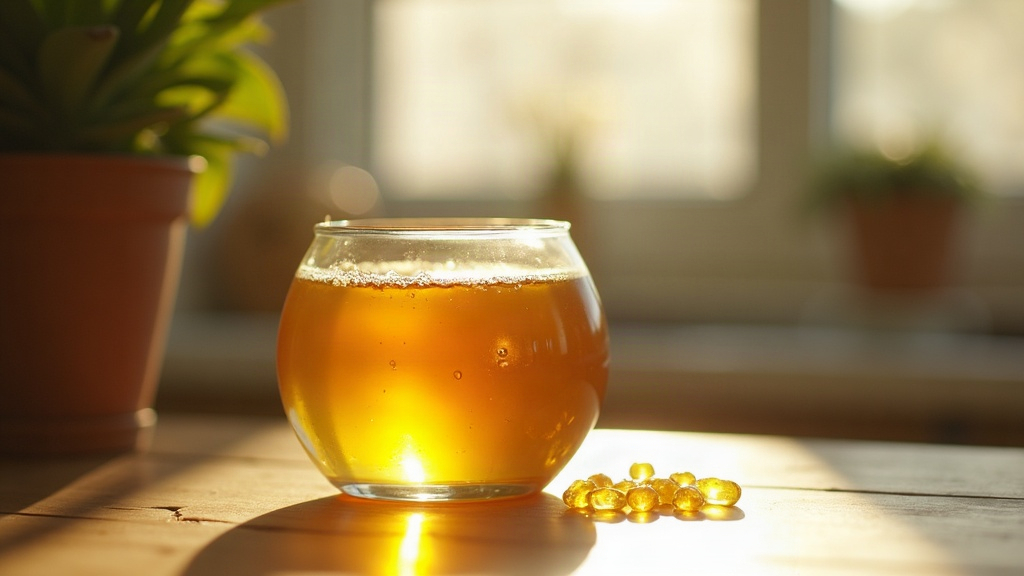
A closer look at breakfast habits, plate choices, and the traditional pantry mix known as Biblical drink (oil)/ Honey blend — shared here as everyday food culture, not as a treatment.
For a lot of people, breakfast isn’t the calm start the mornings shows promise. It’s a small, repeated puzzle — one that shows up again the very next day.
That heavy, foggy feeling before the first cup of coffee even kicks in, making the first hour of the day feel harder than it should.
Energy that spikes and then drops hard in the early afternoon, leaving focus and motivation somewhere on the kitchen table.
Standing in front of the fridge, unsure whether today's breakfast is 'the right one' or just another guess.
The quiet mental weight of deciding, three times a day, every single day, what should go on the plate.
Kitchen conversations are full of half-truths passed around for years. Here’s a plain look at three common ones.
All carbohydrates are the enemy.
Carbohydrates come in very different forms — a slice of white bread and a bowl of steel-cut oats behave differently on the plate and in a daily routine.
Fruit is basically candy in disguise.
Whole fruit brings fiber and water along with natural sugars, which is a different eating experience than a candy bar or fruit juice.
Anything labeled ‘diabetic-friendly’ is automatically the smart choice.
Packaging claims don’t replace reading an ingredient list — many labeled products still lean heavily on refined starches or added sweeteners.
None of this replaces medical guidance — it’s meant to sit alongside it. Always check with your healthcare provider before changing your routine or any prescribed treatment. With that in mind, here are three habits worth trying at the table.
Many home cooks have started eating vegetables or fiber-rich foods first, before the starchier parts of the meal, simply as a matter of order and habit.
Eating at a slower pace, with a few pauses between bites, changes the whole feel of a meal — not the food itself, just the rhythm around it.
A gentle ten-minute walk after a meal has become part of many people’s routine — a small, unremarkable habit that simply adds movement to the day.
Long before glucose meters or nutrition labels existed, kitchens across the Mediterranean and the Levant combined honey with pressed oils and aromatic herbs — a mixture people today sometimes call Biblical drink (oil)/ Honey blend. Historical texts describe honey as a staple sweetener, often paired with olive or sesame oil in breads, marinades, and warm morning drinks. It wasn’t prepared for any measurable effect on the body — it was prepared because it tasted good, kept well in the pantry, and had a place in shared meals and hospitality. Cooks passed the blend down through generations the same way any family recipe travels: by taste, by memory, and by the table it was served at.
The story of Biblical drink (oil)/ Honey blend is really a story about how simple pantry ingredients earned a lasting place in everyday cooking — not about any hidden mechanism, just centuries of kitchen habit.
If tiredness feels different from your usual rhythm and doesn't ease up, it's worth mentioning to the healthcare provider who knows your history.
Noticing you're reaching for water far more than normal, day after day, is a good reason to bring it up at your next appointment.
A sudden shift in hunger or fullness that doesn't match your usual pattern is worth a conversation with your doctor rather than a guess.
If mornings feel heavy no matter how much sleep you get, your healthcare provider can help sort out what's going on.
Noticeable irritability or low mood tied closely to meal timing is a detail worth sharing with the professional who follows your care.
Before changing how you eat around any prescribed medication or treatment, loop in your doctor or dietitian — they can tailor guidance to your specific situation.
These are individual accounts shared for illustrative purposes only. They reflect personal routines and impressions, not clinical outcomes — experiences and results vary from person to person.
This page is about everyday habits and kitchen history, not medical advice. Keep up with your regular checkups, and always talk to your healthcare provider before changing your diet, routine, or any prescribed treatment.
Advertising Disclosure: This page contains sponsored content and affiliate links. We may receive compensation if you click a link or make a purchase through the links provided on this page. This helps support the operation of this website at no additional cost to you.
Content Disclaimer: The information provided on this page is for educational and informational purposes only. It has not been evaluated by the Food and Drug Administration (FDA) and is not intended to diagnose, treat, cure, or prevent any disease or health condition. This content does not substitute for professional medical advice, diagnosis, or treatment. Always consult a qualified healthcare professional before changing your diet, routine, or any prescribed treatment, including medication.
Results Disclaimer: Individual results and experiences vary. Testimonials and stories shared on this page reflect personal opinions and routines and are not a guarantee of any specific outcome or experience for any other individual.
© 2026 tdpcomercio.com · All Rights Reserved